












Results for ac220v socket
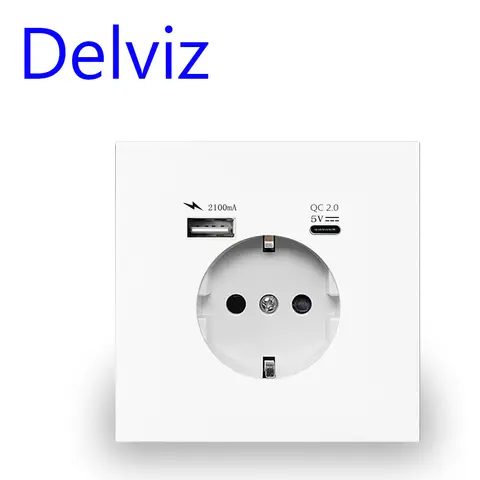
AC220V socket refers to an electrical outlet designed to accept standard 220-volt alternating current (AC) power, commonly used in residential, commercial, and industrial applications across Europe, Asia, and parts of South America. This type of socket ensures safe and reliable power delivery for a wide range of devices, from household appliances to industrial machinery. While the term AC220V socket may appear in product titles, it is essential to verify compatibility with actual voltage requirements, installation standards, and safety certifications to avoid performance issues or hazards.
The search intent behind ac220v socket typically includes identifying reliable, safe, and compliant electrical outlets for use in environments requiring 220V power. Users often seek products that meet international safety standards, offer durability, and support specific plug types (e.g., Type C, E, F, or I). Understanding the technical specifications and real-world application is critical to making informed purchasing decisions.
When selecting an AC220V socket, consider the following:
For DIY or industrial applications, ensure the socket supports the correct phase configuration—single-phase (common in homes) or three-phase (used in machinery). For example, a 20KW PMSM motor operating at 320V AC requires a three-phase system with proper grounding and protective circuitry. Always use a qualified electrician for installation and avoid using obsolete or non-certified components.
In summary, an AC220V socket must be chosen based on accurate voltage ratings, safety certifications, and application-specific requirements. Prioritize products with verified performance data, durable materials, and clear technical specifications to ensure long-term reliability and safety.
The search intent behind ac220v socket typically includes identifying reliable, safe, and compliant electrical outlets for use in environments requiring 220V power. Users often seek products that meet international safety standards, offer durability, and support specific plug types (e.g., Type C, E, F, or I). Understanding the technical specifications and real-world application is critical to making informed purchasing decisions.
- AC Voltage
- Alternating Current voltage, measured in volts (V), indicating the electrical potential difference in a circuit. AC220V refers to a nominal voltage of 220 volts, commonly used in regions with 50Hz or 60Hz power systems.
- Socket Type
- The physical design and configuration of the electrical outlet, including pin arrangement, size, and grounding. Common types include European Schuko (Type F), French (Type E), and UK-style (Type G).
- IE Efficiency Class
- A measure of energy efficiency for electric motors and related components. IE2 (International Efficiency) indicates a medium level of efficiency, suitable for applications where energy savings are important but not critical.
When selecting an AC220V socket, consider the following:
- Verify Voltage Compatibility: Ensure the socket is rated for 220V AC and matches your local power supply. Using a socket rated for lower voltage may lead to overheating or failure.
- Check Certification Standards: Look for CE, RoHS, or other regional certifications to ensure compliance with safety and environmental regulations.
- Assess Installation Requirements: Confirm whether the socket is designed for surface mounting, flush mounting, or industrial use. Consider the frame material and cooling system (e.g., natural cooling) for high-load applications.
- Evaluate Durability and Material Quality: Sockets made from brass or high-grade copper with gold plating offer better conductivity and longer lifespan, especially in high-usage environments.
For DIY or industrial applications, ensure the socket supports the correct phase configuration—single-phase (common in homes) or three-phase (used in machinery). For example, a 20KW PMSM motor operating at 320V AC requires a three-phase system with proper grounding and protective circuitry. Always use a qualified electrician for installation and avoid using obsolete or non-certified components.
In summary, an AC220V socket must be chosen based on accurate voltage ratings, safety certifications, and application-specific requirements. Prioritize products with verified performance data, durable materials, and clear technical specifications to ensure long-term reliability and safety.